
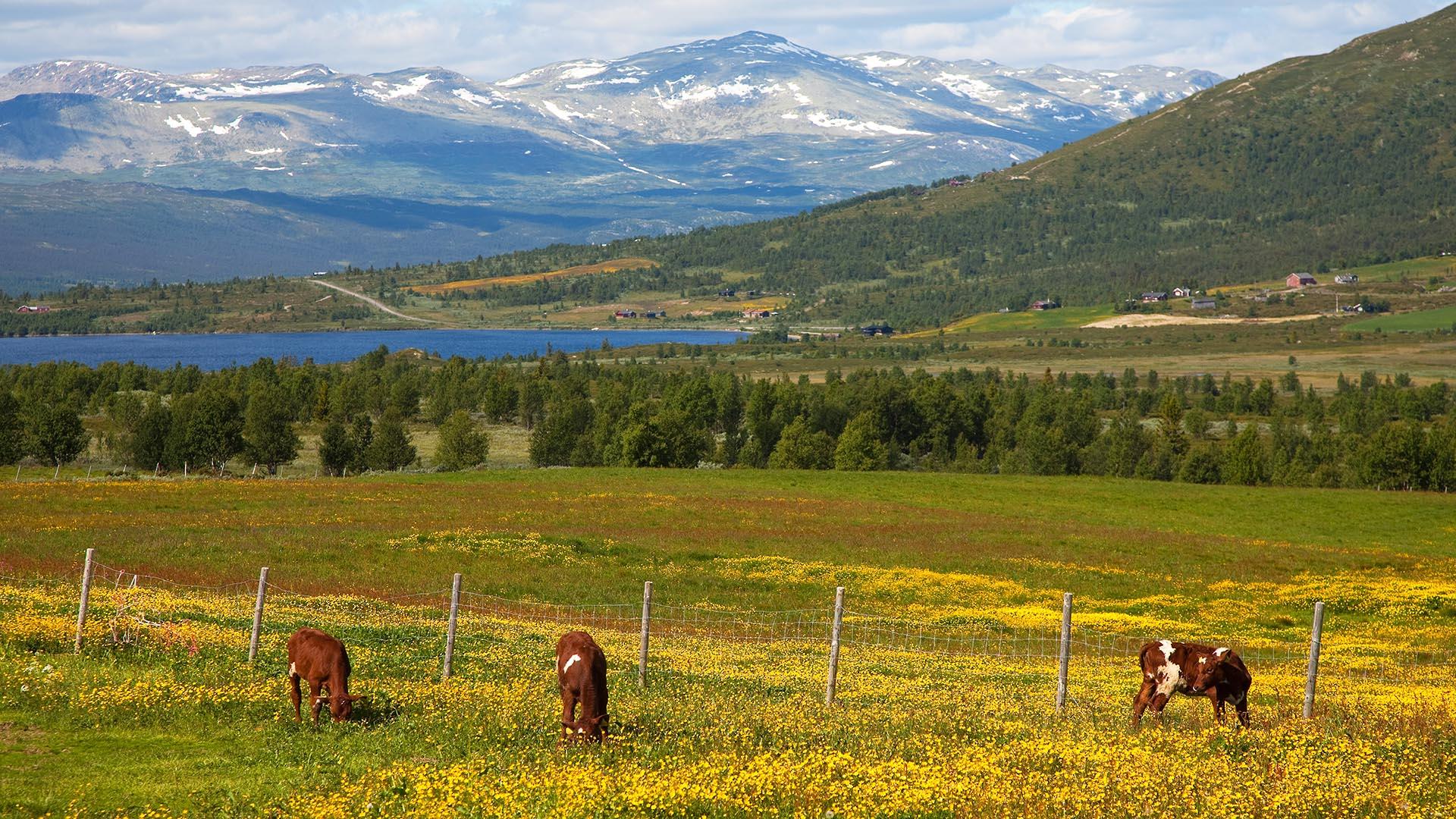
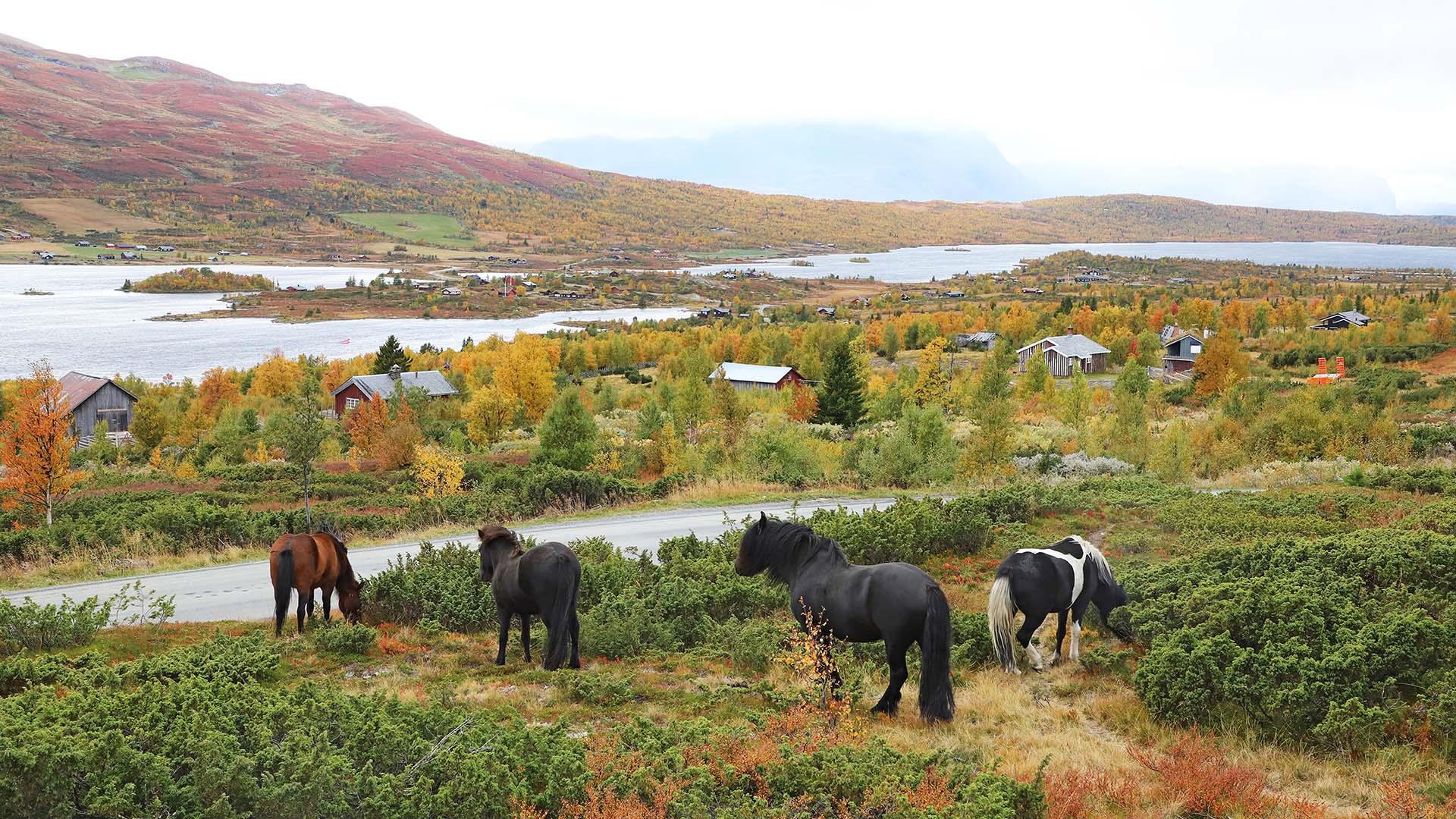
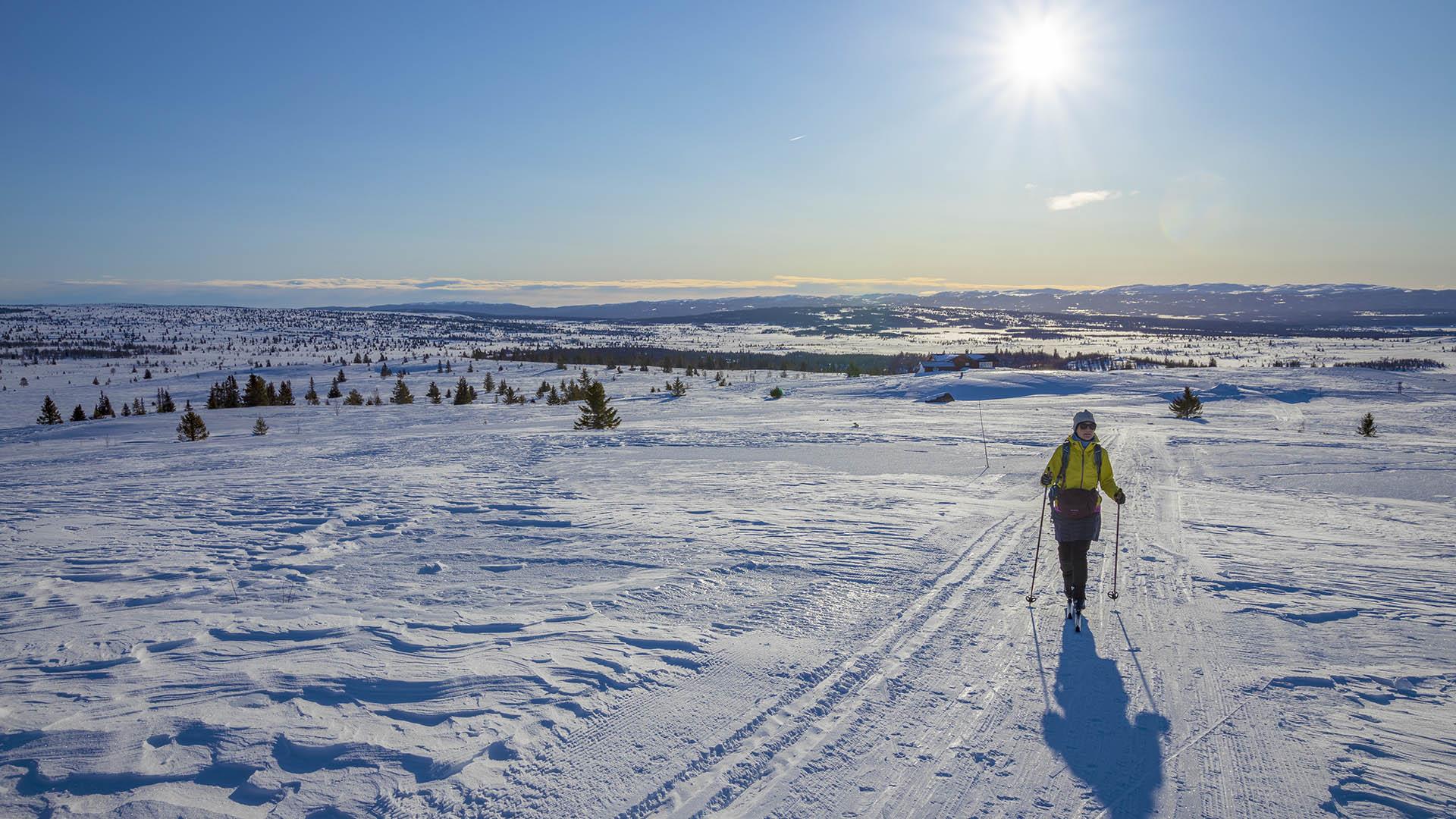
Stølsvidda, located in the municipalities of Vestre Slidre and Nord-Aurdal, was designated a "Selected Cultural Landscape" in 2018. It is a continuous upland area where summer farms (*støler*) are largely gathered in concentrated hamlets, distributed fairly evenly across the landscape. The area offers a rich visitor experience and is a popular destination for outdoor recreation among locals, cabin owners, and tourists. There are nearly 570 summer farms in the area, with traditional dairy operations continuing at between 40 and 50 of them. Most of the agricultural land is actively farmed, and large numbers of cattle and small livestock are turned out to graze in the outlying pastures.
Vestre Slidre Municipality manages the grant scheme for this selected cultural landscape on behalf of the two municipalities in which the area is situated.
Stølsvidda encompasses the lands of the Ulnes and Svennes commonages in Nord-Aurdal and the Vestre Slidre state commonage. The area covers 348 km², of which 13.5 km² is agricultural land.
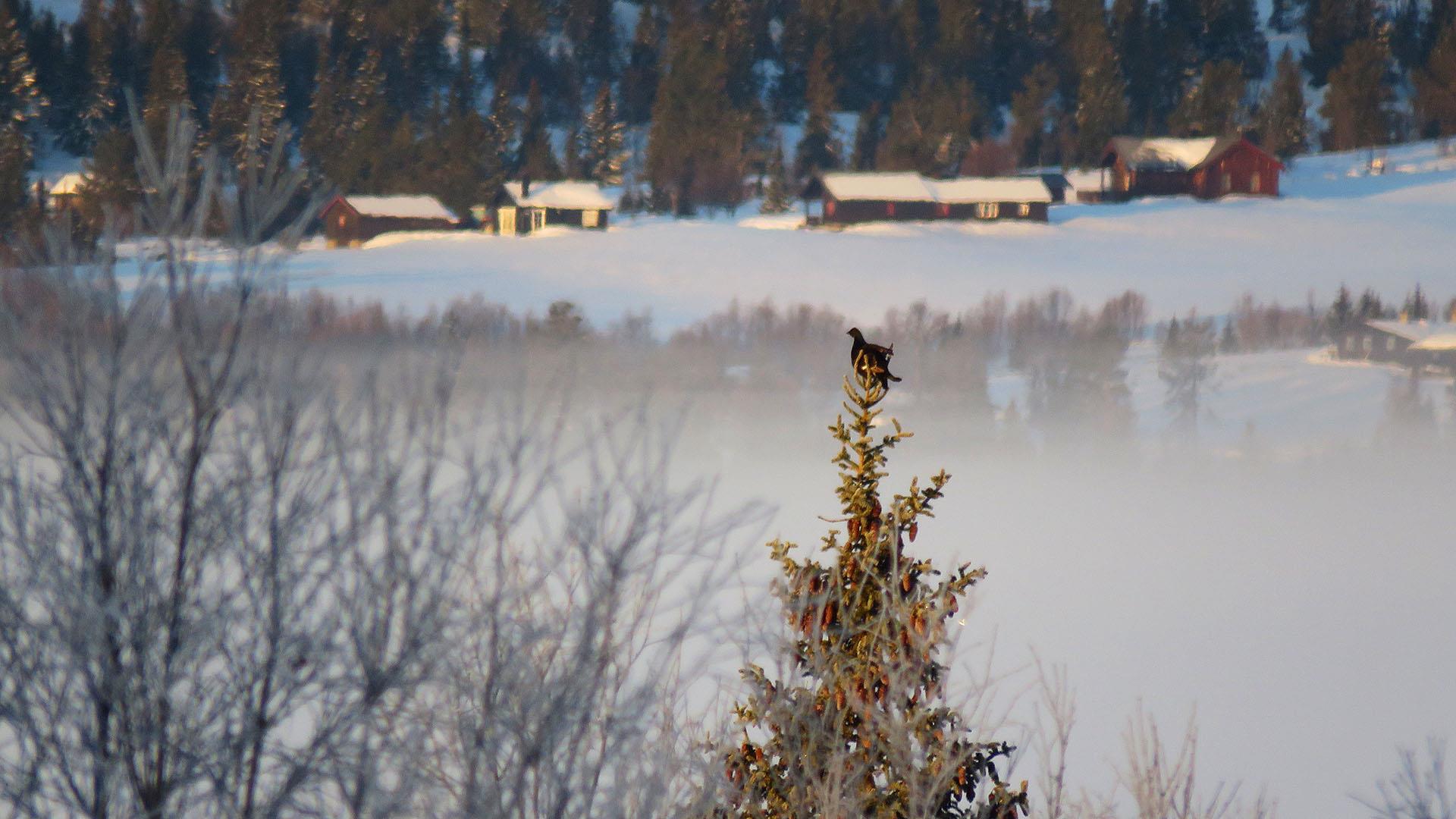
The soil is dominated by nutrient-rich phyllite and mica schist, fostering lush vegetation and productive farmland. The outlying pastures and less intensively managed summer farm meadows support species-rich vegetation that relies on the landscape being kept open through grazing and haymaking. The area also features extensive wetland complexes which, combined with the open grazing landscape, support an unusually high density of birdlife, particularly waterfowl.
The summer farm clusters—comprising buildings, fenced meadows, and surrounding grazing areas—form a cultural landscape characteristic of the summer farming regions found throughout much of Valdres. Although most of the mountain summer farms are no longer operated in the traditional manner, the landscape they shaped remains clearly "legible." Mountain farming in this area is rooted in centuries-old traditions, though activity was likely at its peak during the 18th and 19th centuries.






Follow us on Facebook
Follow us on Instagram