
Langsua National Park – Untouched Wilderness and Outdoor Adventures in Norway
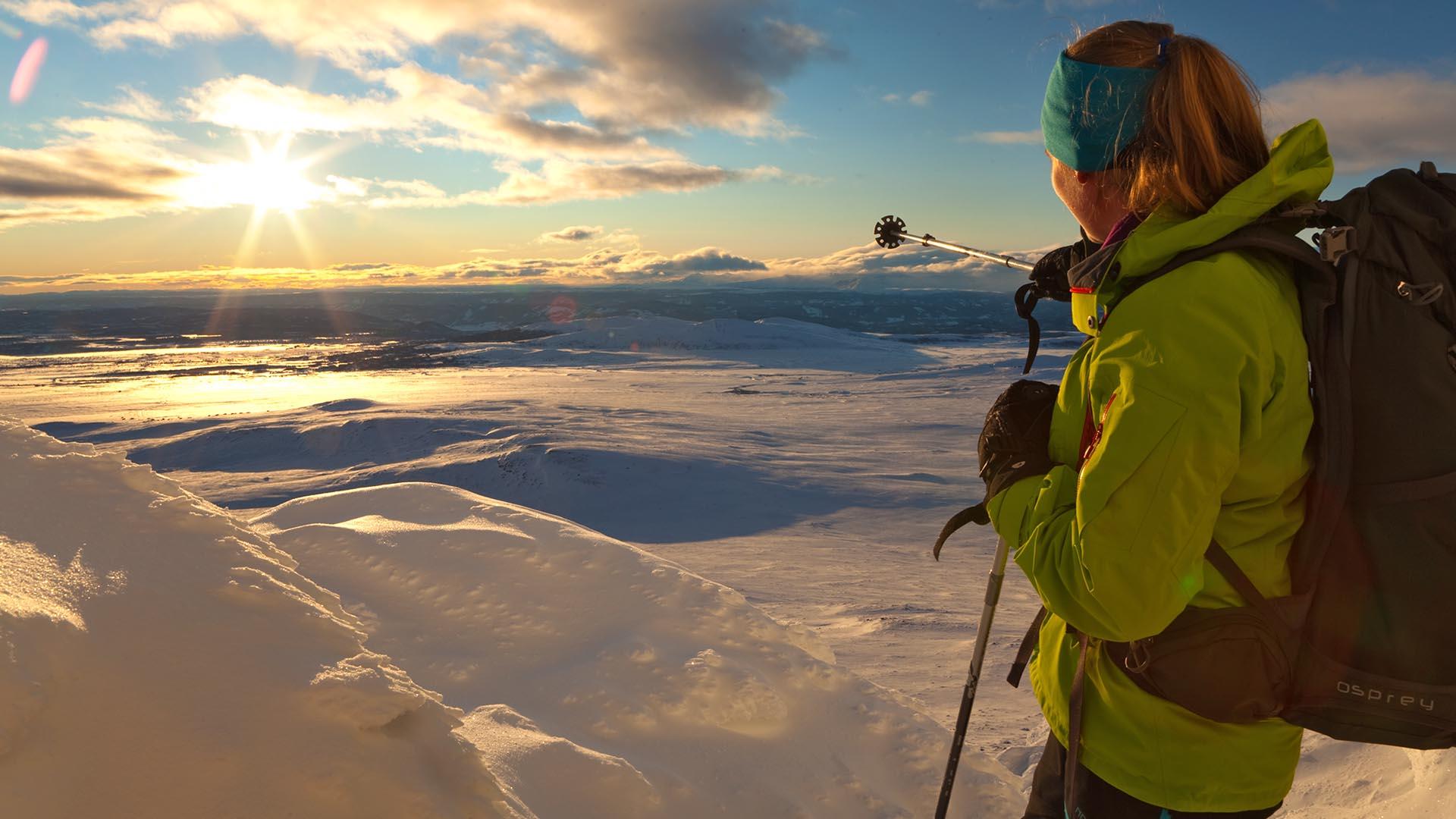
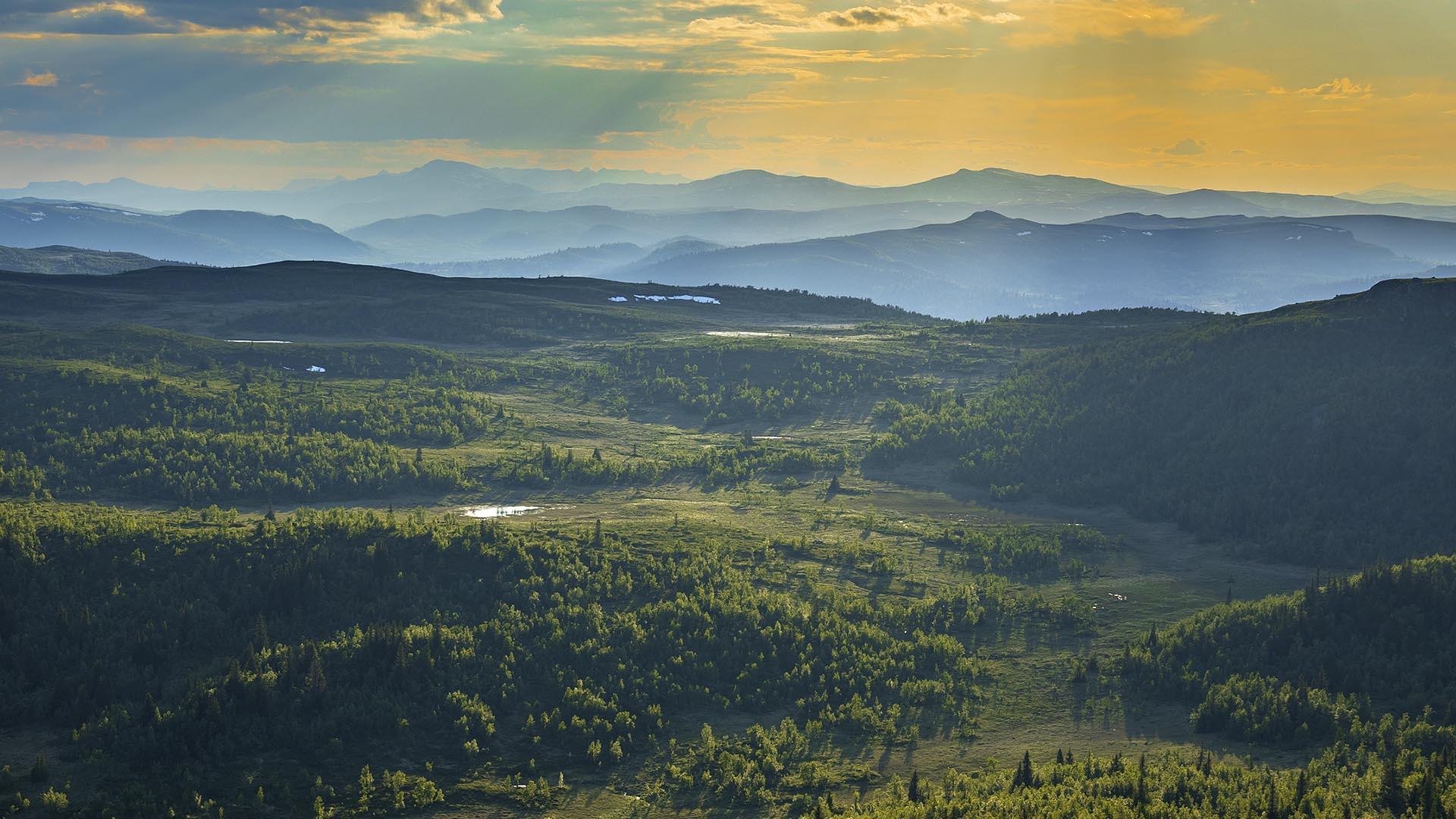
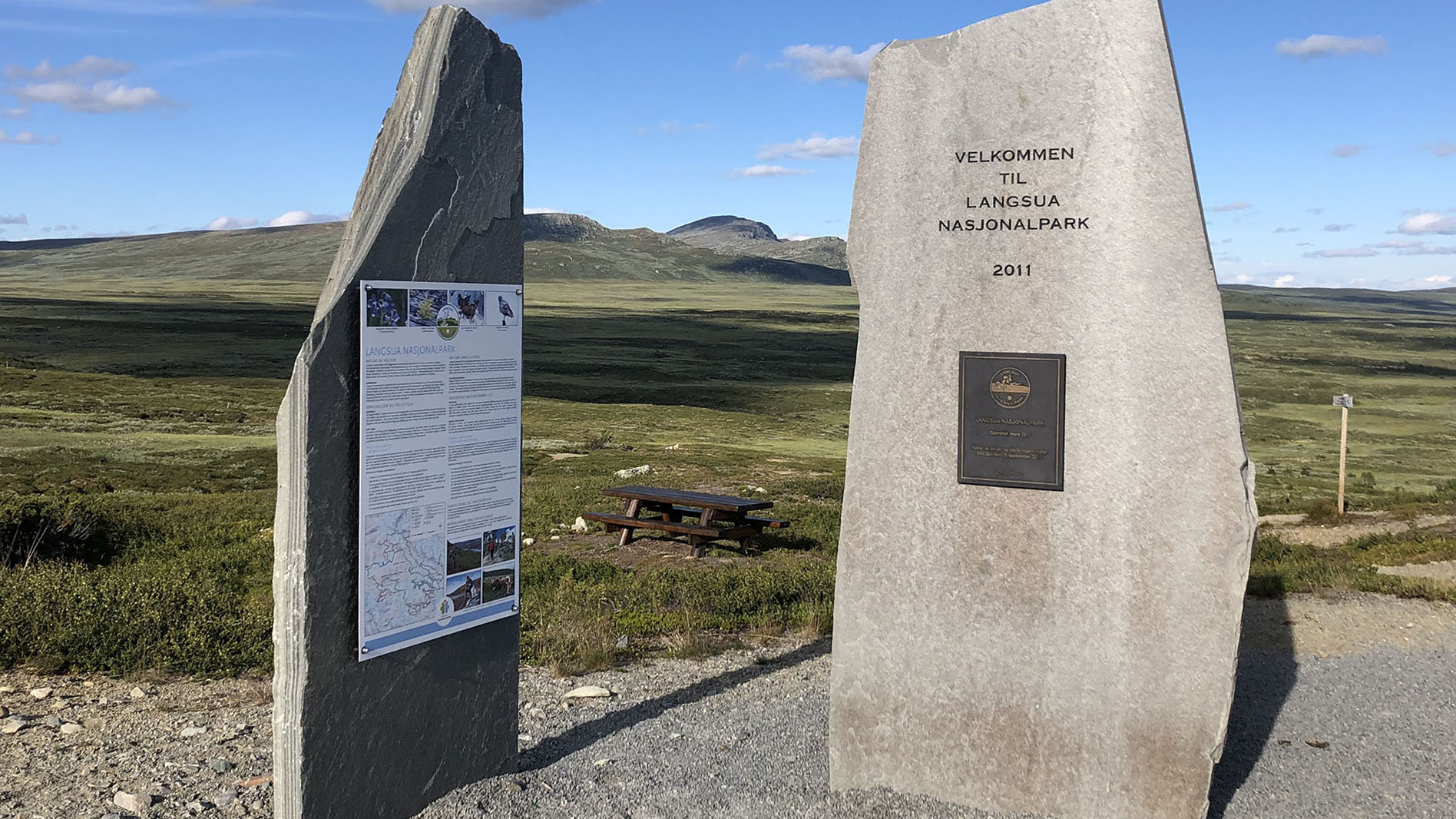
Langsua National Park was established in 2011 as an expansion of Ormtjernkampen National Park. The area features a diverse landscape of forests, alpine terrain and wetlands, offering a strong sense of pristine wilderness.
The highest peak in Langsua National Park is Mount Skaget (1,685 metres above sea level). Centuries of traditional grazing have helped create and maintain an exceptional diversity of plant and animal life.
The landscape also holds traces of thousands of years of human activity, including ancient hunting and trapping grounds for wild reindeer and moose, charcoal-burning sites and historic iron production.
Outdoor Activities in Langsua National Park
Langsua National Park offers excellent opportunities for outdoor activities throughout the year. Visitors can explore a network of waymarked hiking trails, winter-marked ski routes, open mountain cabins and shelters. The area also offers excellent fishing lakes and family-friendly mountain hikes, making Langsua an ideal destination for nature lovers and outdoor enthusiasts of all ages.
Nature Reserves and Protected Landscapes
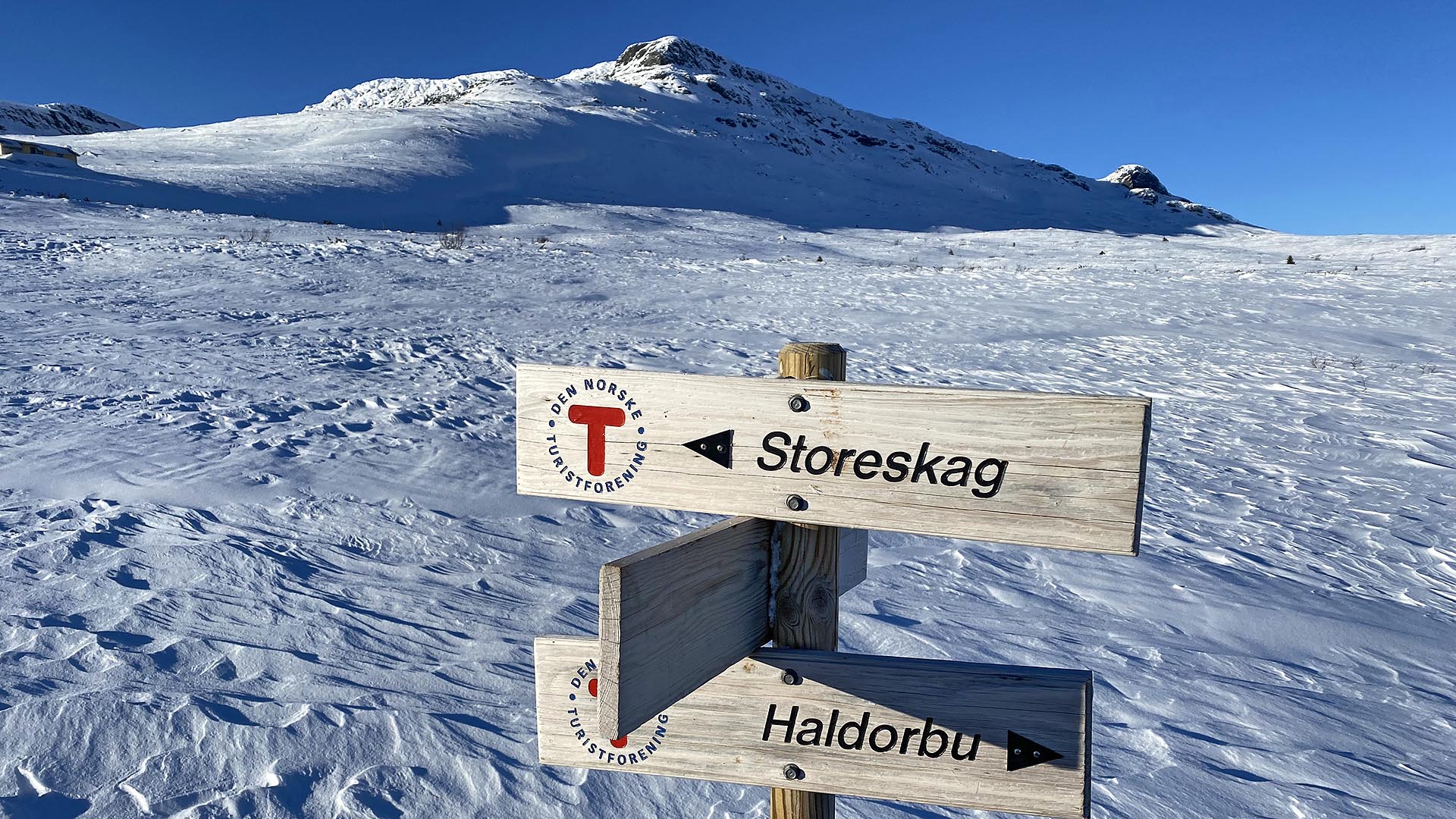
Six nature reserves and four landscape protection areas are directly connected to Langsua National Park. The protected areas comprise the Dokkfaret, Espedalen, Haldorbu and Storlægeret Landscape Protection Areas, as well as the Hynna, Røssjøen, Kjølaåne, Hersjømyrin, Oppsjømyra and Skardberga Nature Reserves.
Skardberga is a protected coniferous forest reserve, while the other nature reserves protect important wetland habitats. Together, these areas form an extensive, continuous protected landscape covering more than 1,000 km².
Wildlife and Birdlife in Langsua
Large wetland areas in Norway's lower alpine regions have become increasingly rare. This makes Langsua National Park particularly important for bird species that need extensive habitats for hunting, feeding and breeding.
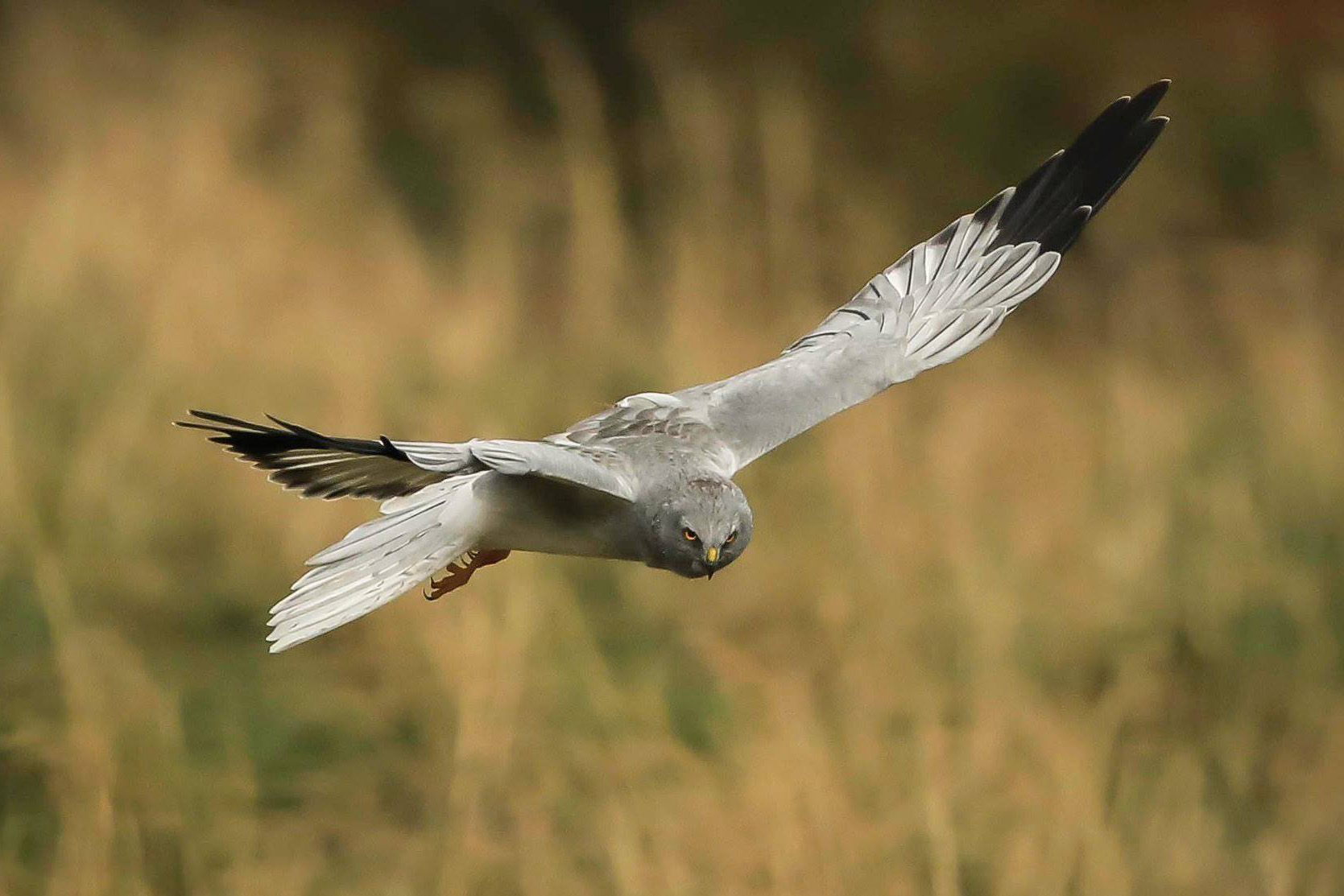
Birds of prey such as the rough-legged buzzard and the hen harrier can be found here, alongside rare wetland species such as the great snipe and the broad-billed sandpiper. Eurasian curlews and whimbrels also breed in the area's marshes and wetlands.
In the mountain birch forests, redwings and bramblings are common. Whooper swans and black-throated divers breed near the area's lakes and other freshwater habitats.
Would you like to discover more about the birdlife in Langsua? We recommend visiting this page for further information.
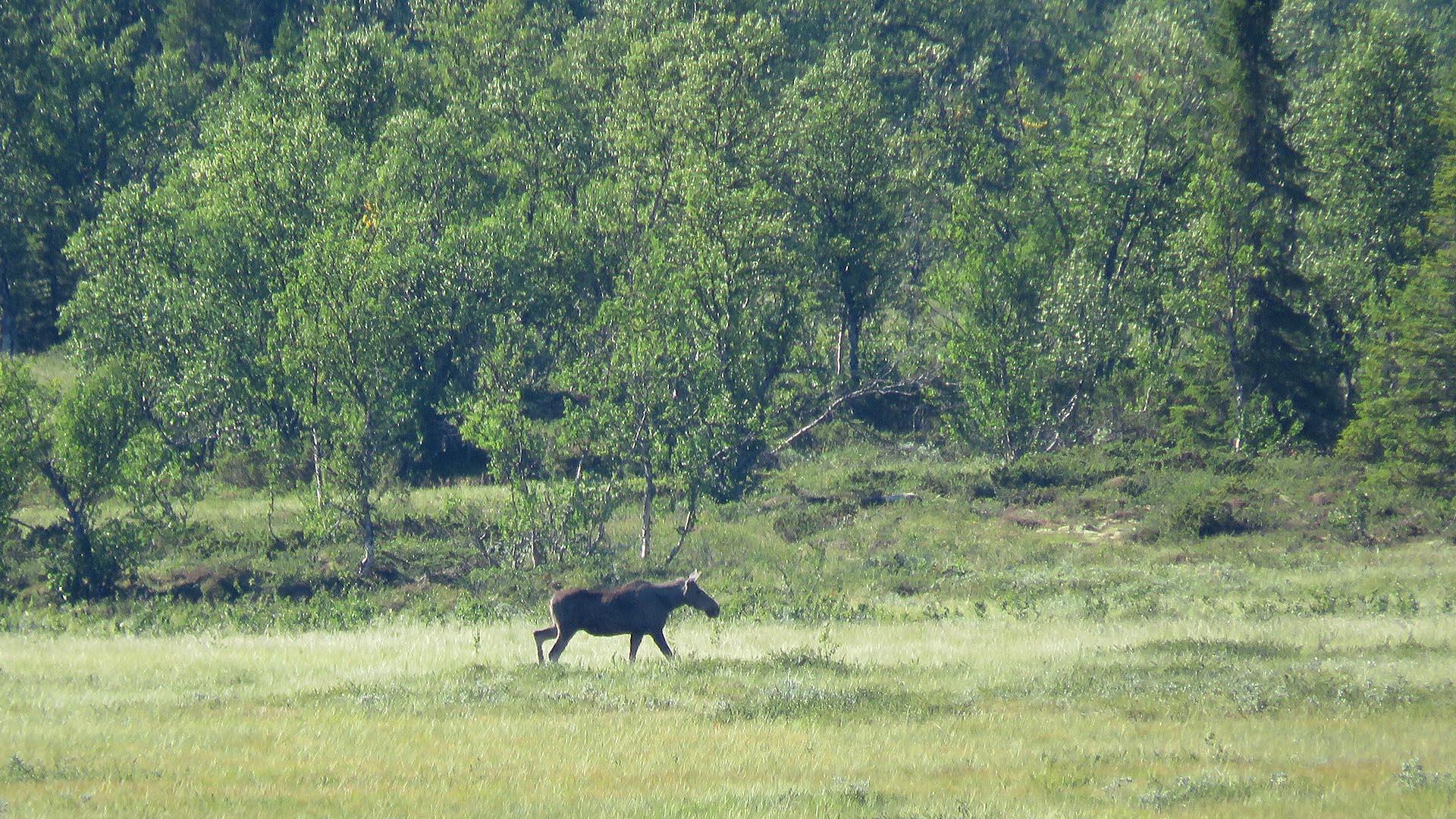
Langsua is also home to one of Europe's most extensive moose migration routes, making the area important for wildlife and ecological connectivity.
Please respect wildlife during your visit. Keep your distance and avoid disturbing birds and other animals unless absolutely necessary.
Plant Life and Rare Flora in Langsua
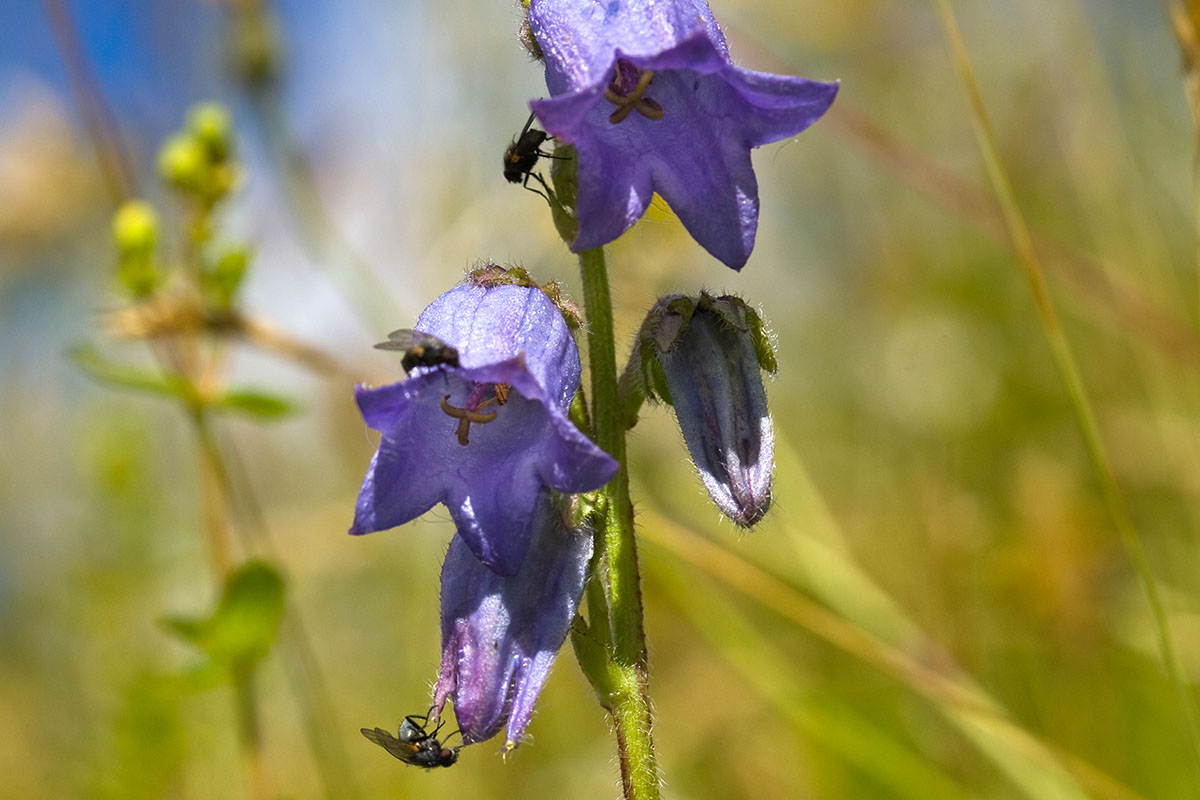
Langsua National Park is particularly well known for its rare bearded bellflower (Campanula barbata). In Northern Europe, this distinctive alpine plant is found in only a few locations in Langsua and the surrounding area. Its nearest populations elsewhere are found in calcareous mountain regions of southeastern Europe.
The lush mountain birch forests are home to a rich variety of plant life, including orchids and tall-growing herbaceous plants. The park's wetlands provide important habitats for rare and threatened species, such as Carex heleonastes, Carex laxa and moonworts (Botrychium species).
The old-growth coniferous forests are also rich in biodiversity, providing habitats for a variety of fungi and lichens.





Follow us on Facebook
Follow us on Instagram